 Synesseration
Synesseration
Synesseration
A Lebanese Christian Symbols Reading
2026-06-20
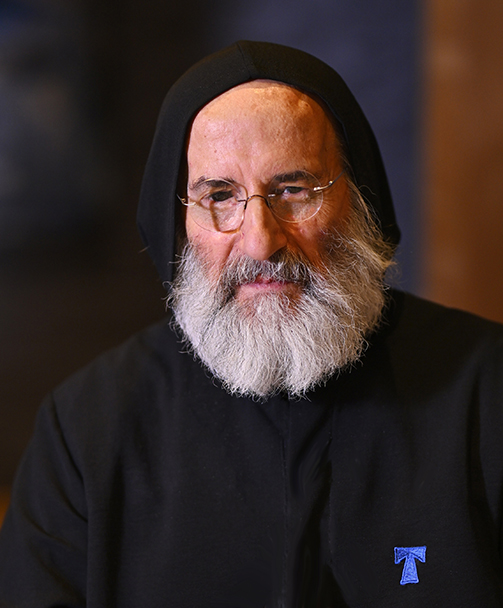
الأب د. ميشال روحانا الأنطوني مبتكر مفهمة التكاؤن لغويُا وفلسفيًا
When Christian Symbols Are Attacked: A Lebanese Christian Symbols Reading
By Rev. Fr. Michel Rouhana, PhD
Political and Social Philosopher and Writer
[Date]May 4, 2026
A responsible Christian scholar should never add oil to the fire in the already tragic situation of the Middle East. Our region has suffered enough from the abuse of religious narratives, biblical memories, and sacred language, too often used to justify violence, occupation, hatred, and acts that wound the conscience of humanity.
It must therefore be said, from the outset, men and women of conscience have condemned the instrumentalization of the Bible and Jewish memory in support of war, vengeance, or violations of human dignity. Their cry — “not in our name” — and the universal appeal of “Never again,” not only for one people but for all human beings, deserve to be heard. No religion or sacred text should be reduced to the actions of a state, an army, or an extremist ideology.
The issue is not Judaism as a faith, nor the Jewish people as a community. The issue is whether a political project, often placed under the broad and ambiguous name of Zionism, may, in certain ideological and historical expressions, produce practices that humiliate, marginalize, or violate non-Jewish presences in the land, including the ancient Christian presence of the East.
Yet moral precision also requires distinction. There is a difference between a sporadic violent act committed by a fanatic individual, inflamed by ideology, fear, or hatred, and a symbolic act performed by a soldier in uniform, within a context of military power, and deliberately filmed or circulated as if meant to send a message.
The assault on a nun, however painful and unacceptable, may first be read as extremist individual violence, unless evidence proves broader organization or institutional responsibility. It remains grave because it attacks not only a woman, but a consecrated woman; not only a person, but a visible sign of Christian presence, vulnerability, and dignity.
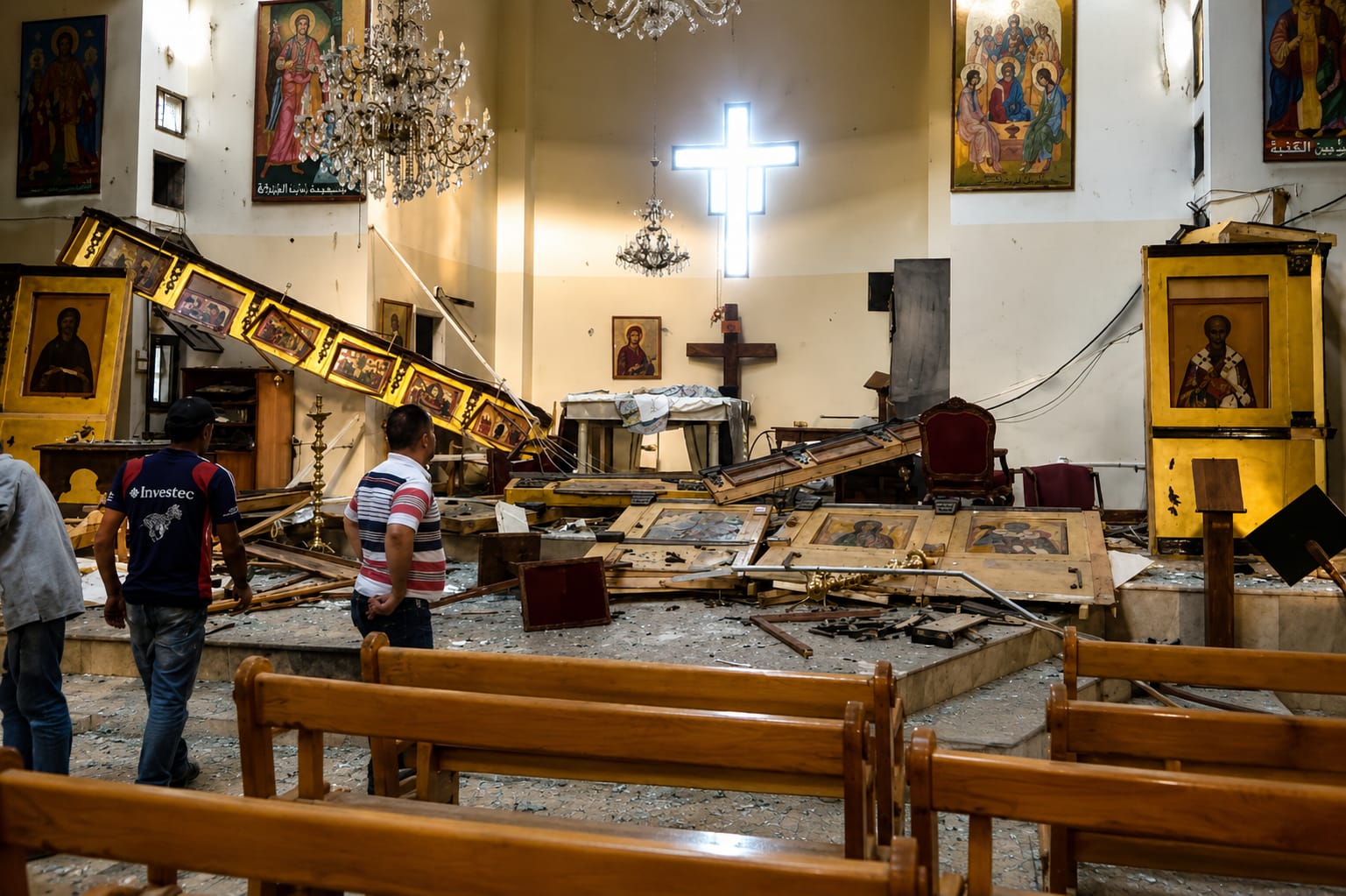
The destruction of a Christian symbol in southern Lebanon belongs to another order of meaning. When a soldier in uniform attacks a Christian image or sacred object, and when that act is filmed or displayed, the event can no longer be reduced to one individual’s psychology. It becomes symbolic communication. Whether officially ordered or not, it is received by many Christians as a message: that even the face of Christ, the memory of the Cross, and the sacred signs of a suffering people may be humiliated under the logic of domination and revenge.
This is especially serious when the Holy See and the Pope have been raising their voices against war, violations of rights, collective punishment, and every form of violence that treats human beings as expendable. In such a context, an attack on a Christian symbol in Lebanon cannot be dismissed as collateral damage. It may also be understood as a psychological act of war, because it targets the spiritual dignity, collective memory, and inner security of a community.
From a Lebanese Christian experience, this distinction is essential. We know too well what happens when religions become banners of war, and when communities are forced to carry the burden of ideologies that speak in their name. The Christian presence in the Middle East is not foreign, accidental, or imported. It is indigenous, ancient, and deeply rooted in the land, language, suffering, and hope of the peoples of the region.
The question is not whether Christianity should enter a new war of accusations. It should not. The question is whether the repeated humiliation of Christian symbols, clergy, churches, and communities in the East reveals a deeper political and ideological disorder. When any project sacralizes land while diminishing human dignity, invokes divine promise while ignoring international law, or claims historical trauma while producing new trauma for others, it contradicts the ethical heart of biblical faith itself.
Christians of the Middle East are not simply “minorities.” Their suffering cannot, from the standpoint of human rights, be reduced to a footnote in the conflict between Israel and its enemies. If Christian Zionism has transformed biblical memory into almost unconditional political support for Israel, the humiliation of living Christian communities in the East may become an underexamined fault line within that support.
A responsible Christian response — and equally a responsible Muslim, Jewish, or even Zionist one — must be clear but not hateful, firm but not vengeful, critical but never opposed to the divine promise made to Abraham: that in him “all the families of the earth shall be blessed” (Genesis 12:3). The name of Abraham cannot serve any claim of monopoly, for his vocation is blessing, not possession.
In the end, as Christians of the East, we do not ask for privilege. We ask that the Cross not be mocked by the logic of power, that consecrated persons not be humiliated by fanaticism, and that no state, army, ideology, or wounded memory be allowed to place itself above the law of God, the law of nations, and the dignity of the human person.
لا توجد تعليقات بعد.
آخر الأخبار
بين المشروعية التاريخية والهندسة الدستورية
بروفسور رزق زغيب
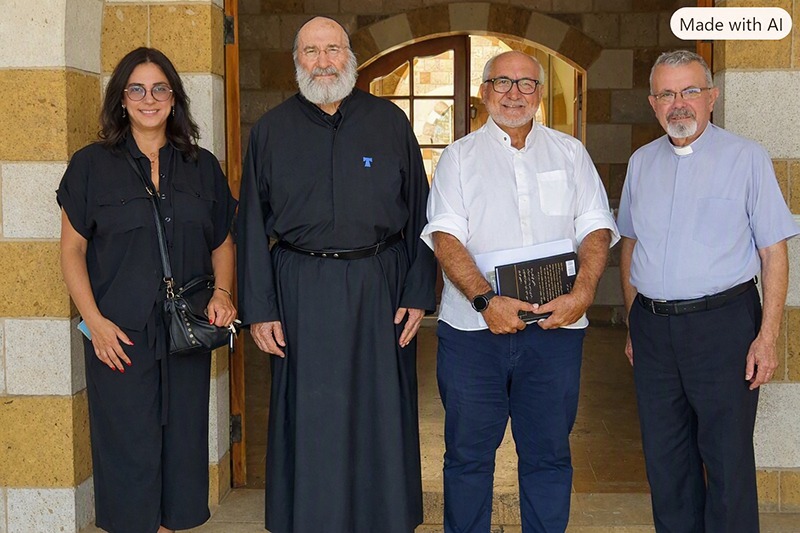
حول كتيّب "بين يَسوع وعِيسى : جسرٌ منيرٌ لا يمكن تجاهله"
الأب د. ميشال روحانا الأنطوني مبتكر مفهمة التكاؤن لغويُا وفلسفيًا
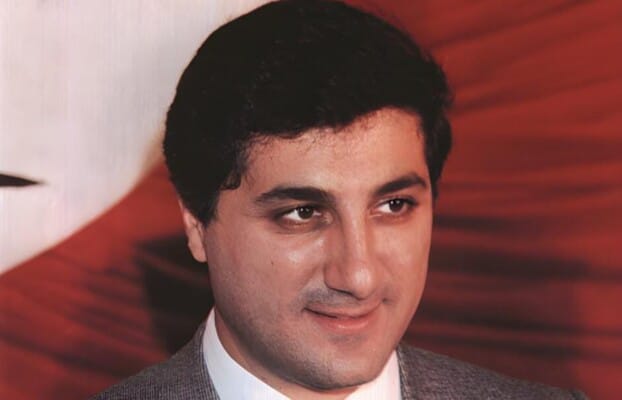
ذكرى استشهاد الرئيس القائد بشير الجميّل
الأب د. ميشال روحانا الأنطوني مبتكر مفهمة التكاؤن لغويُا وفلسفيًا
اليوم العالمي للسلام
خلود وتار قاسم
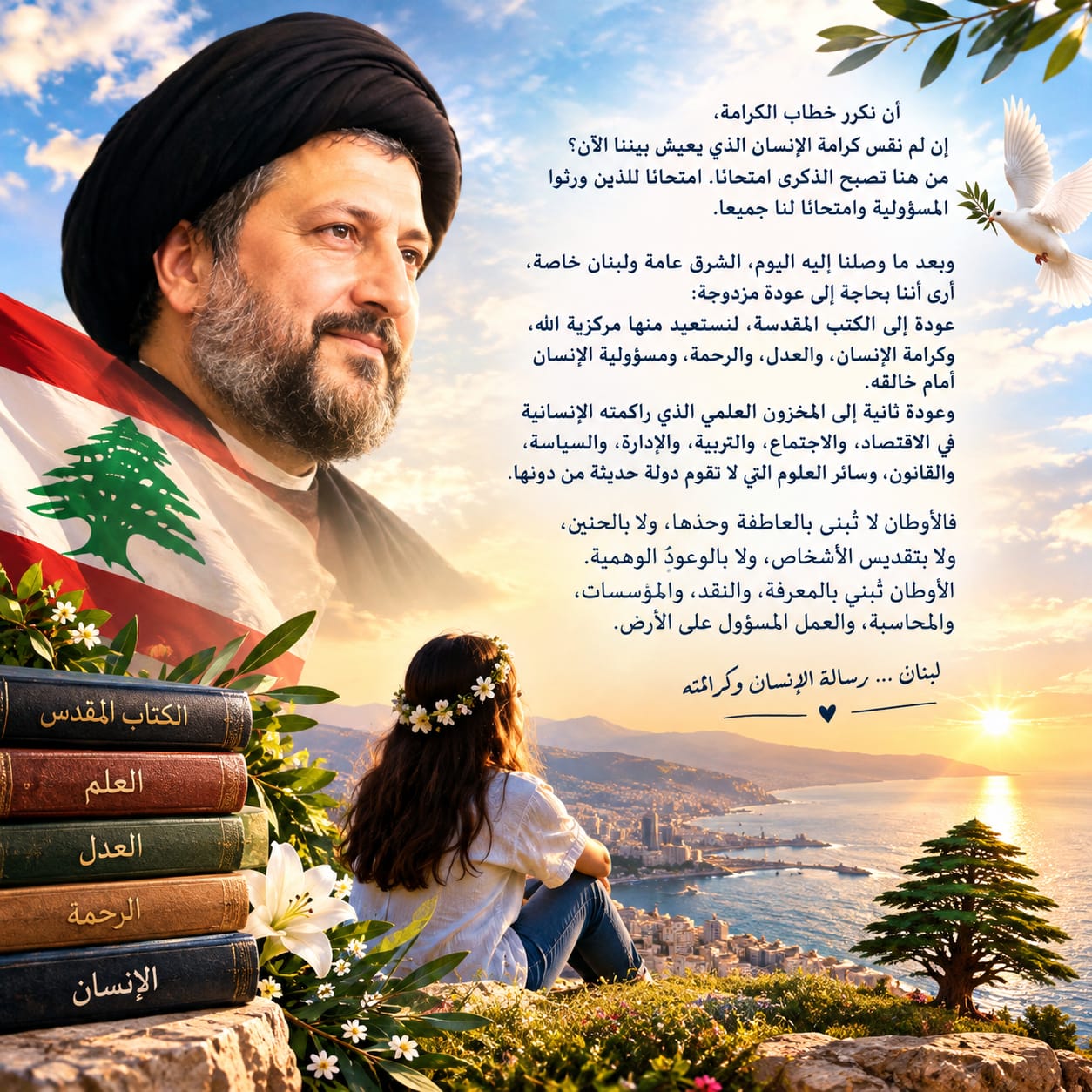
المكون اللبناني الشيعي
الأب د. ميشال روحانا الأنطوني مبتكر مفهمة التكاؤن لغويُا وفلسفيًا
لا تصعد السمكة على الشجرة
رشيد درباس
Attaka’on Between Foundational Integrity and Instrumentalization
Rev. Michel Rouhana, PhD, Antonine Order
التكاؤُن بين التأسيس والاستعمال
الأب د. ميشال روحانا الأنطوني مبتكر مفهمة التكاؤن لغويُا وفلسفيًا
الخلق من الحب وليس من العدم: جسرٌ منيرٌ بين العِلم والدين
البروفسور جهاد نعمان
Copyrights © 2025 All Rights Reserved. | Powered by OSITCOM